Franken en Friezen
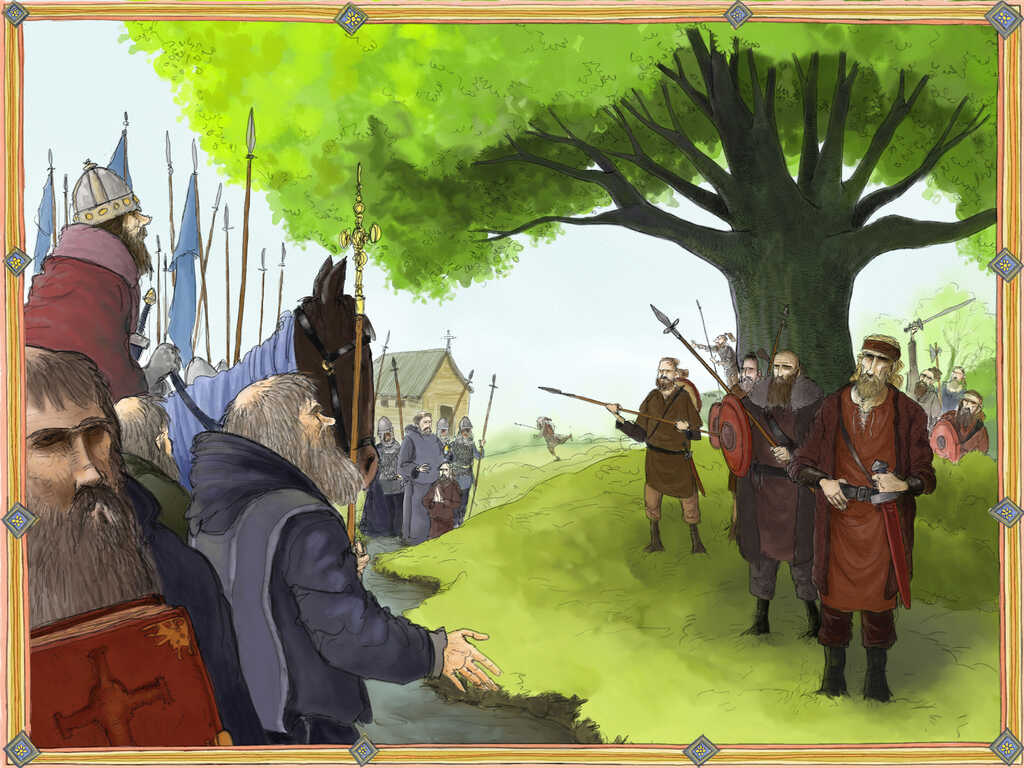
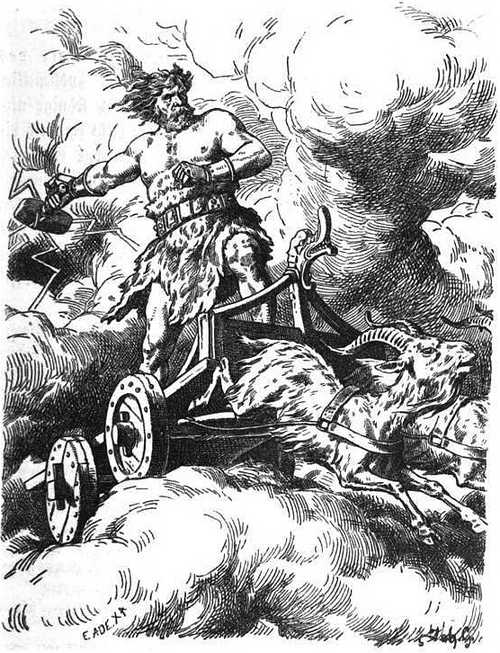
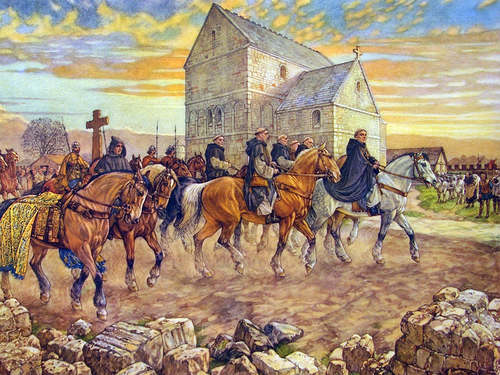
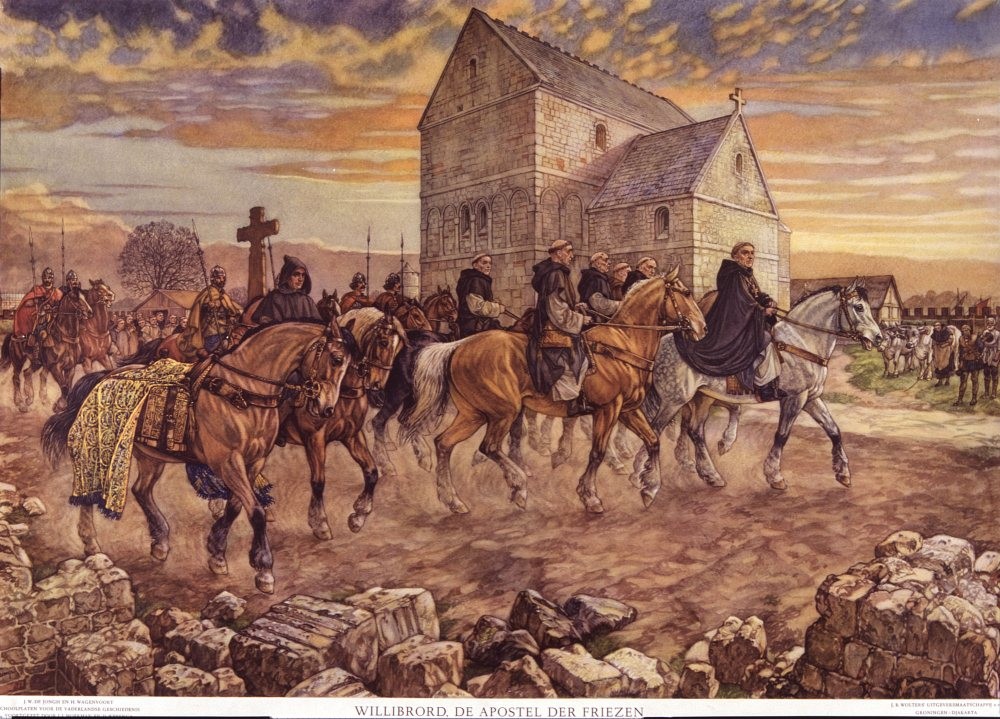
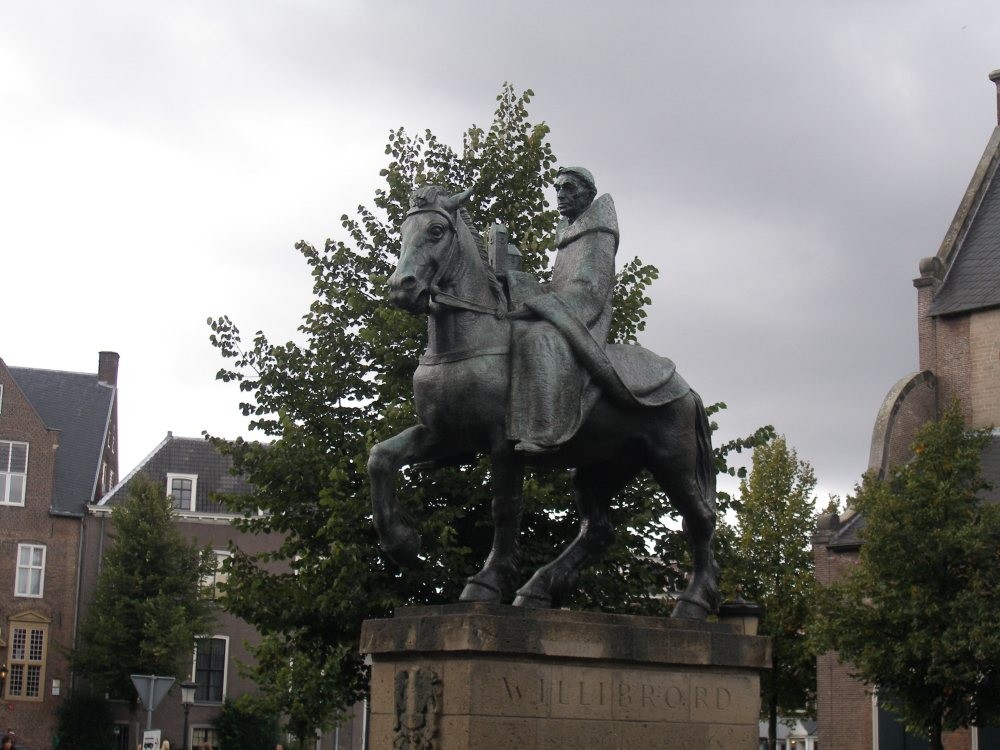
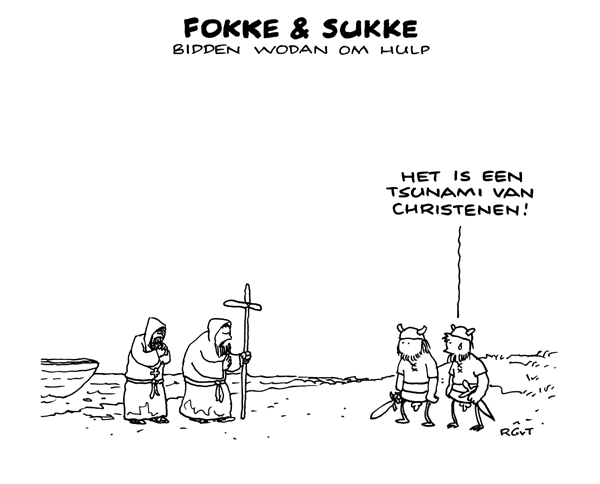
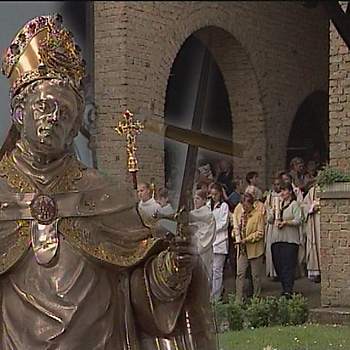
In 690 komt de Engelse Willibrord aan in de Lage Landen. Deze monnik en missionaris uit Northumbrië is met twaalf gezellen de Noordzee overgestoken om het christendom te verspreiden in het land van de Friezen. Zijn eigen land is al eerder gekerstend. Het Friese gebied beslaat de kuststrook van de Westerschelde tot aan de Weser. De Friezen houden vast aan hun oude gebruiken en geloven in goden als Wodan en Donar.
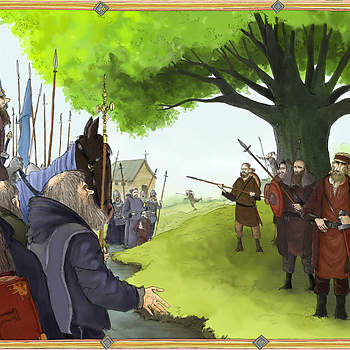
Van zijn voorgangers weet Willibrord dat het bekeren van de Friezen geen eenvoudige zaak is. Daarom vraagt hij om steun bij het Frankische hof. Het Friese gebied grenst aan het Frankische Rijk, dat onder koning Clovis twee eeuwen daarvoor al het christelijke geloof heeft aangenomen. De Friese elite beschouwt de missionarissen als handlangers van de Franken, met wie de Friezen regelmatig in botsing komen.
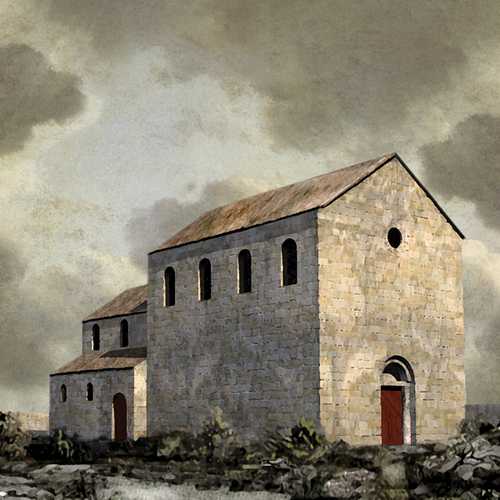
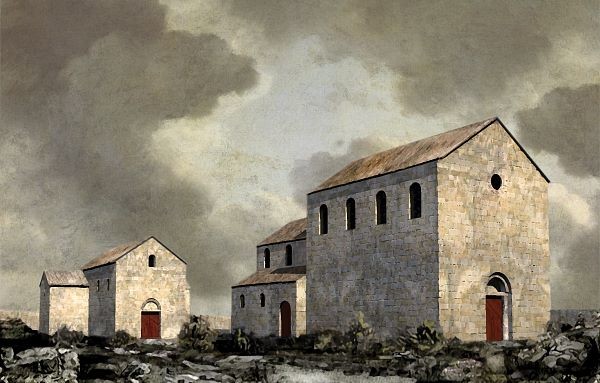
De strijd tussen Franken en Friezen kent een wisselende geschiedenis van bondgenootschappen en conflicten. Er is geen sprake van een harde grens tussen Fries en Frankisch gebied: na elk gevecht schuiven óf de Friezen een stukje naar het zuiden óf de Franken naar het noorden. Zo valt Utrecht onder wisselend gezag. Rond 630 – tijdens een periode van Frankische successen – laat de Frankische koning Dagobert het eerste kerkje van Utrecht bouwen op het huidige Domplein. Kort daarop wordt het onder Fries gezag weer verwoest.
Kerstening
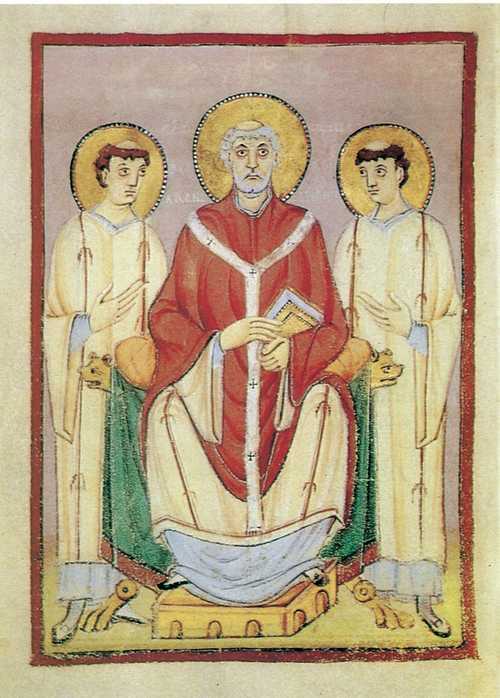
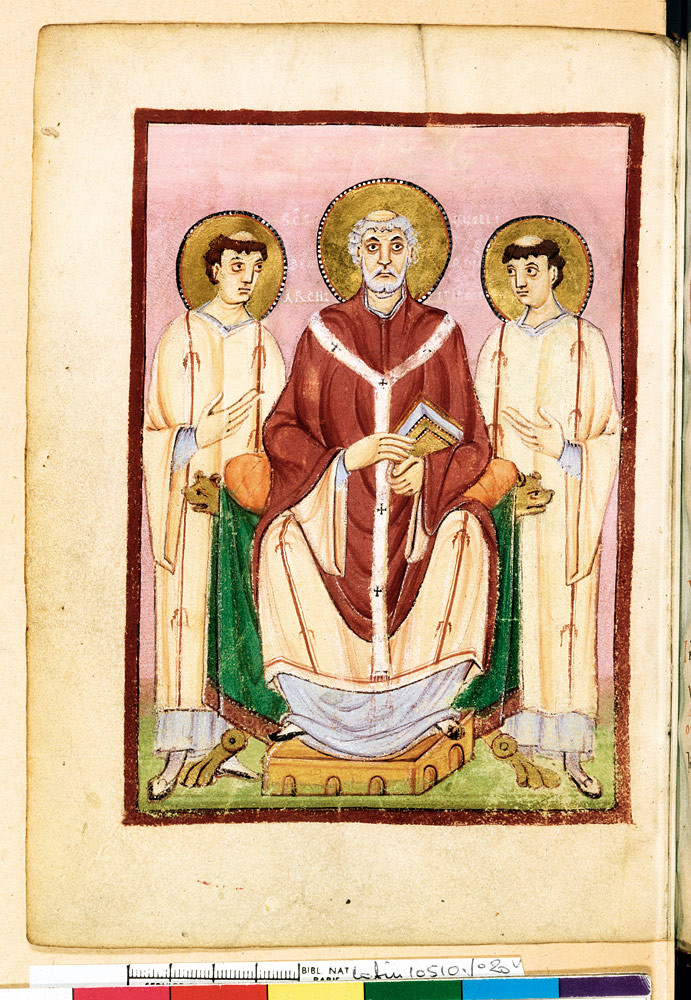
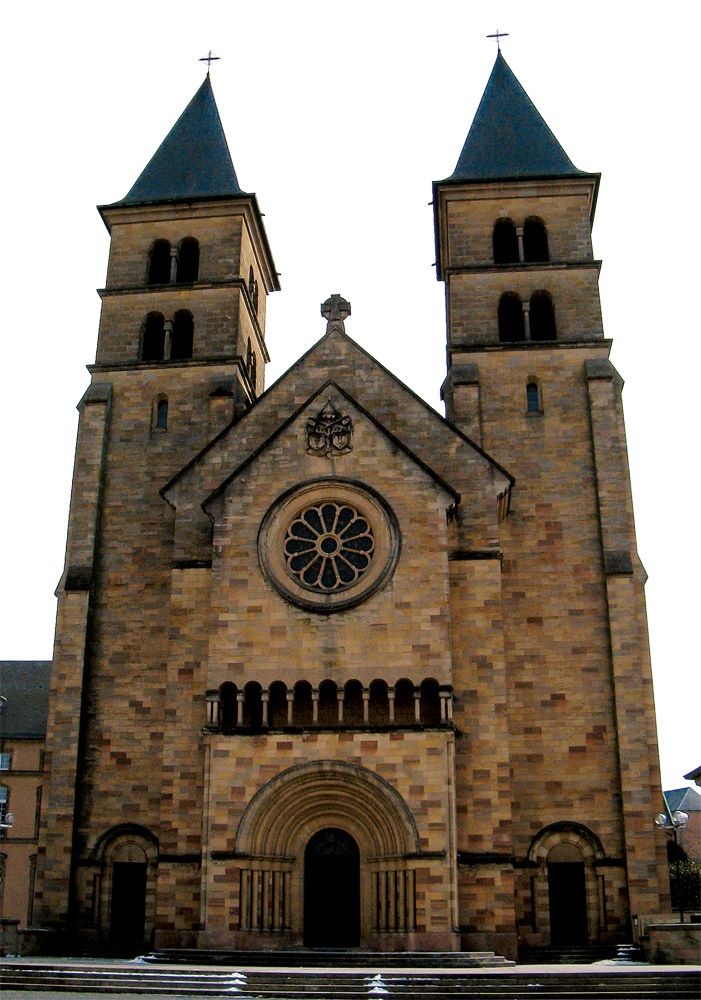
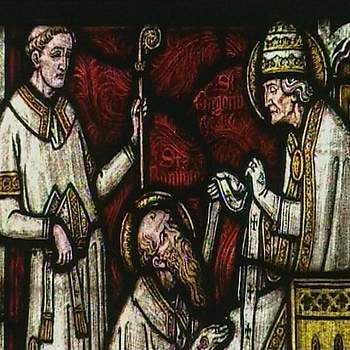
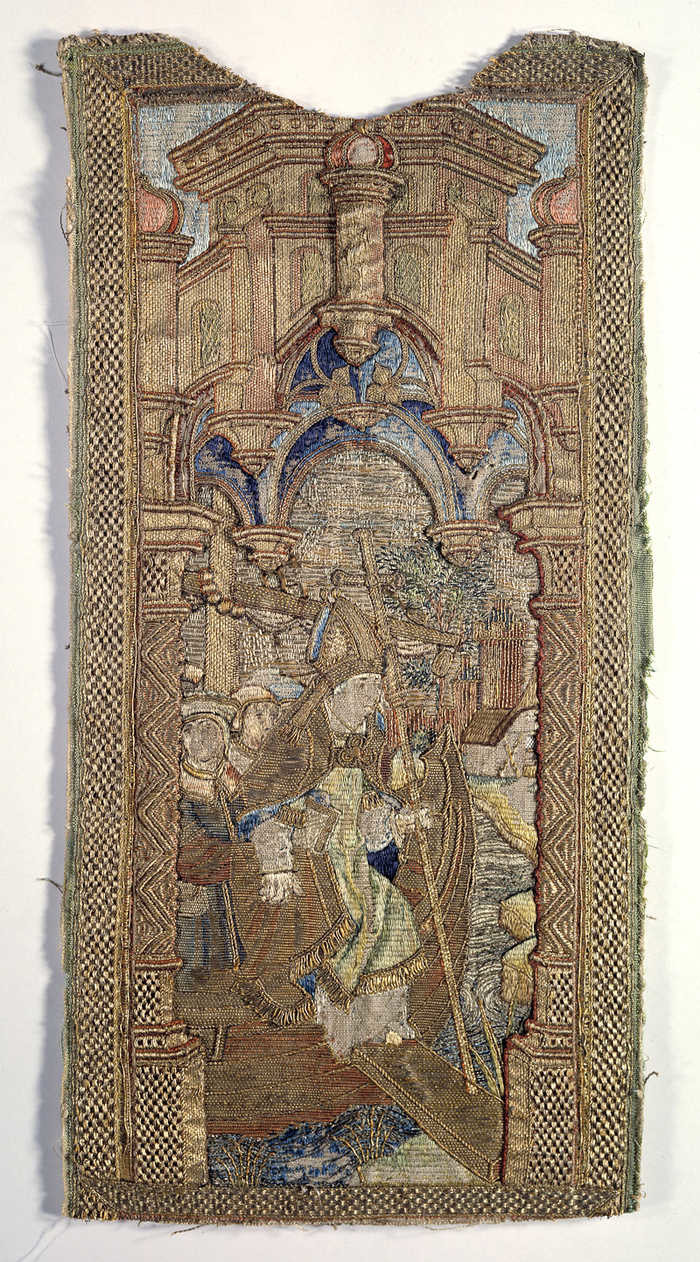
Op aandringen van de Frankische vorsten benoemt de paus Willibrord tot 'aartsbisschop van de Friezen'. De Franken kunnen zo via de aartsbisschop invloed uitoefenen op het bestuur van de Friese gebieden. In 696 vestigt Willibrord zich in Utrecht en herbouwt de verwoeste kerk. Ook geeft hij opdracht tot het bouwen van een nieuwe kerk en sticht hij een klooster.
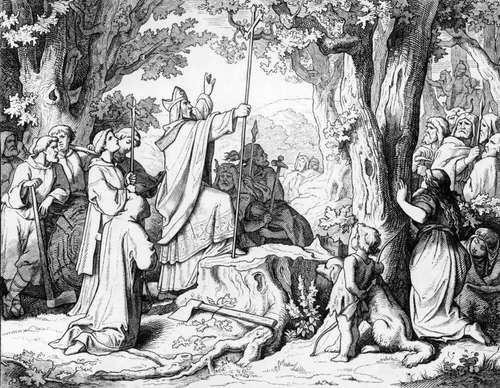
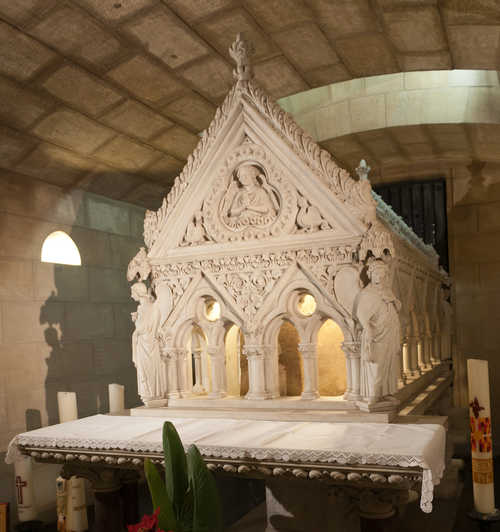
Vanuit Utrecht trekken de missionarissen vervolgens het land van de Friezen in. Deels met succes: tegen het einde van Willibrords leven – hij sterft in 739 – zijn veel mensen in de kuststreek tot het christendom bekeerd. Maar in de rest van het Friese gebied stuiten de missionarissen op verzet. Bekend is het verhaal van de dood van Bonifatius, die op zendingsmissie rond 754 bij Dokkum wordt vermoord. Pas aan het einde van de achtste eeuw komt er door de wapens van de Franken een einde aan de strijd. De kerstening van Europa breidt zich daarna langzamerhand verder uit naar het noordoosten. Het is een lang proces. Vanaf 1100 is Scandinavië gekerstend. In 1387 laat Litouwen, het laatste ‘heidens’ land van Europa, zich bekeren tot het christendom.
Doopbelofte
Elke bekeerling moet een doopbelofte uitspreken. Uit de tijd van Willibrord is zo’n doopbelofte bewaard gebleven, in het Nederlands van 1400 jaar geleden. In het document staat met welke Germaanse gewoonten en gebruiken de bekeerlingen moeten breken. De belofte luidt:
Ec forsacho diabolae, end allum diobolgeldae, end ec forsacho allum dioboles wercum and wordum, Thunaer ende Woden ende Saxnote ende allum them unholdum the hira genotas sint. Ec gelobo in Got alamehtigan fadaer. Ec gelobo in Crist gotes suno. Ec gelobo in Halogan Gast.
Ik zweer de duivel af, en alle duivelsoffers, en ik verzaak alle werken en woorden van de duivel, Donar, Wodan, Saxnot en de afgoden die hun gezellen zijn. Ik geloof in God de almachtige Vader, in Christus Gods Zoon en in de Heilige Geest.